UHPC Application
Current situation of the problem
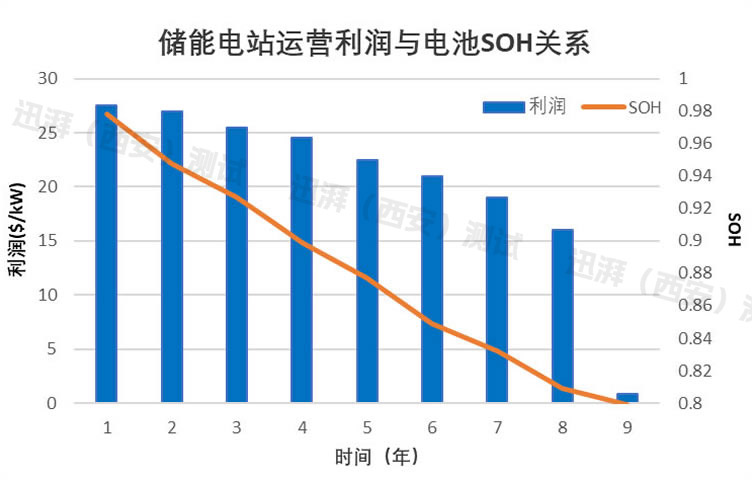
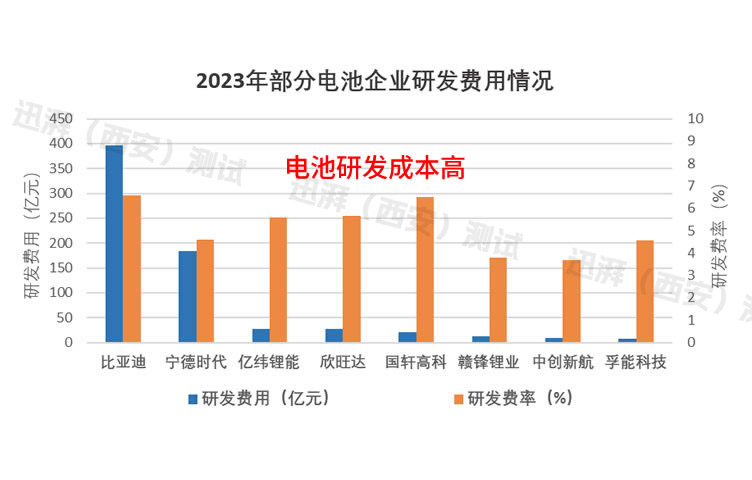
As the operational years of energy storage power stations increase, energy storage batteries will experience varying degrees of capacity degradation and increased internal resistance, leading to significant reductions in operational profits. Additionally, in recent years, with consumers' growing demands for battery performance and safety, the R&D costs of major battery manufacturers have nearly accounted for 4% to 6% of total R&D expenditure rates.

Solution Strategy
Ultra-high precision Kuh gauge
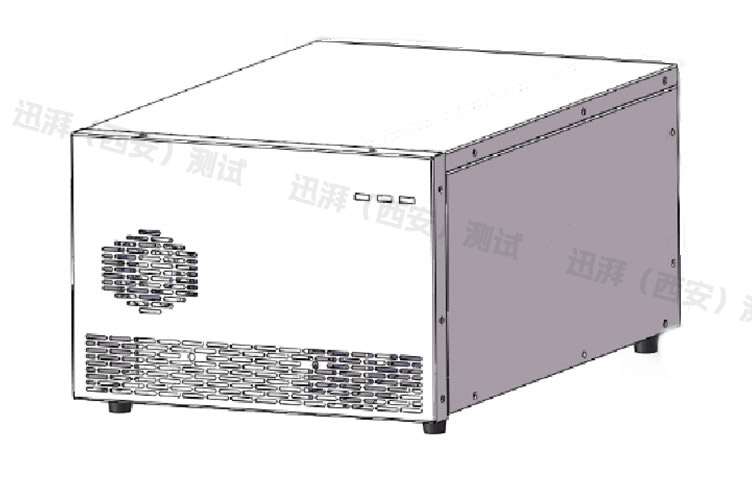
Detect minor reactions and measure high-precision coulombic efficiency
ultra-high precision
nondestructive analysis
Quick detection
Real-time monitoring function
Shortened the developing time
A high-precision coulometer with ppm-grade capability, suitable for battery material screening, process manufacturing stability comparison, failure analysis, and model calibration, thereby reducing R&D cycle and saving costs.
Test service
-
Screening and Evaluation of Battery Materials
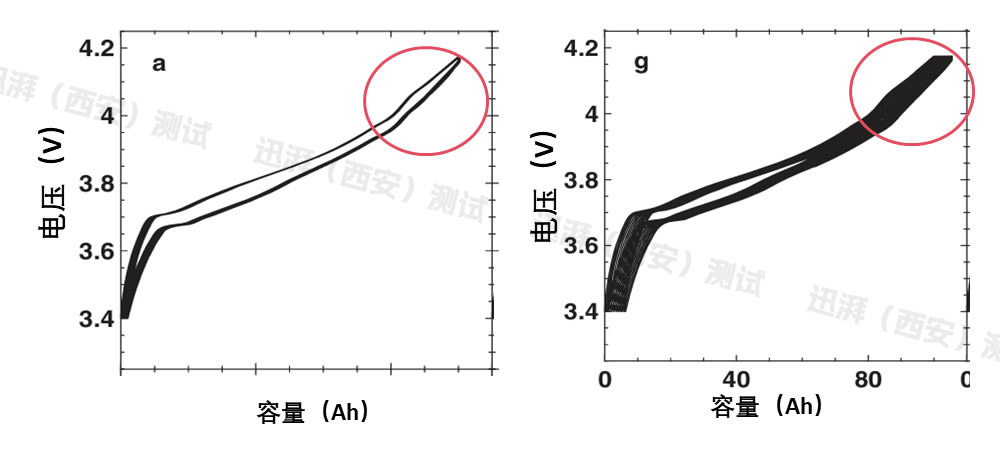
Utilize the charge-discharging sliding trend to compare multiple material systems and rapidly confirm the compatibility of battery materials
-
Fine-Grained Analysis of Battery Failure
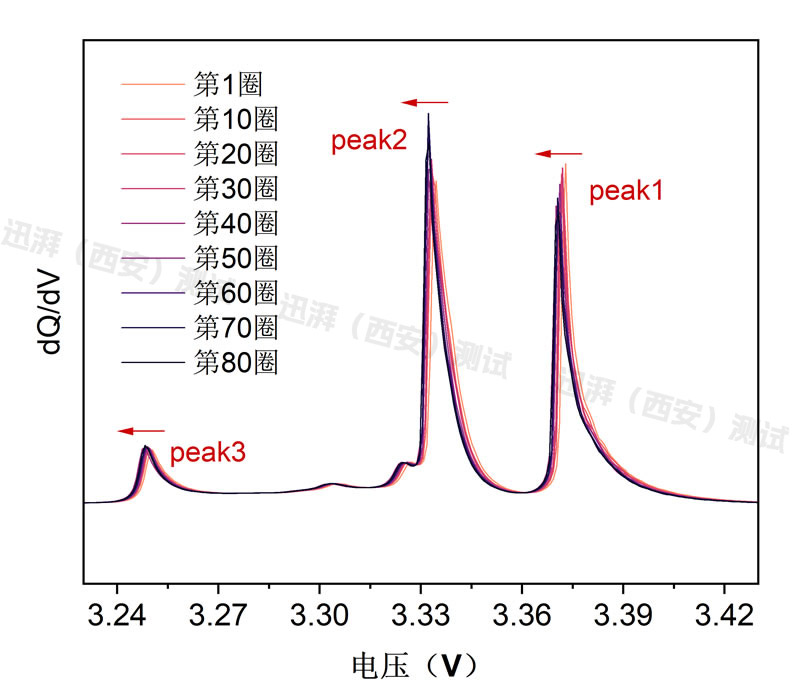
Peak1, Peak2, Peak3 peak positions shift to the left, battery internal resistance reduces
Peak 1 peak area decreases, LLI occurs
Peak2 and Peak3 peak areas increase, indicating an increase in anode active materials
-
Process Manufacturing Stability Comparison
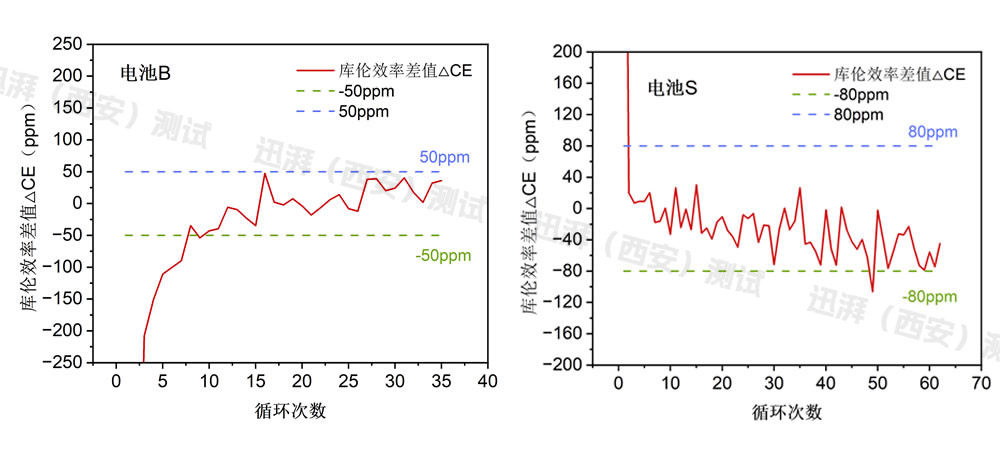
Battery B Battery S Capacity difference 2.18 1.01 Capacity Difference/Average Capacity of Two Batteries 0.86% 1.87% Coulomb efficiency difference △CE ±50ppm ±80ppm -
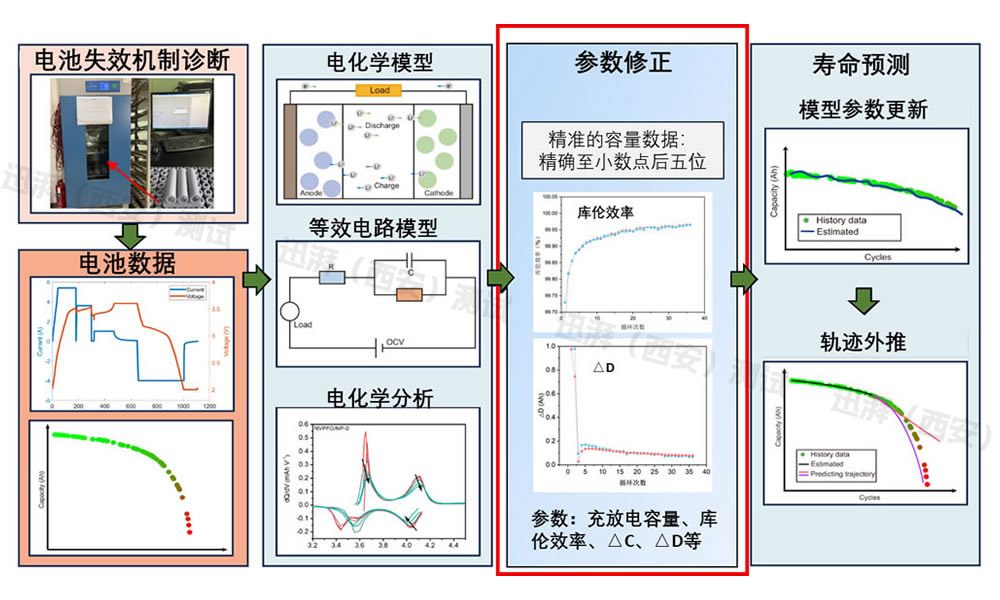
Battery Model Parameter Correction