


Battery Safety Early Warning
Current situation of the problem
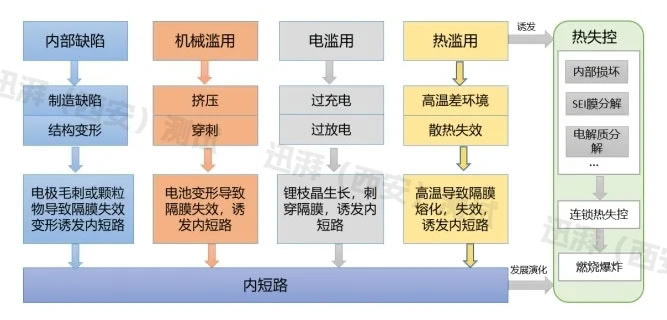
With the rapid development of new energy vehicle power batteries and energy storage batteries, the number of self-ignition incidents triggered by lithium-ion battery failures has sharply increased. Therefore, establishing a multi-dimensional safety early warning system from battery cells to modules to vehicle-level is imperative.

Solution Strategy
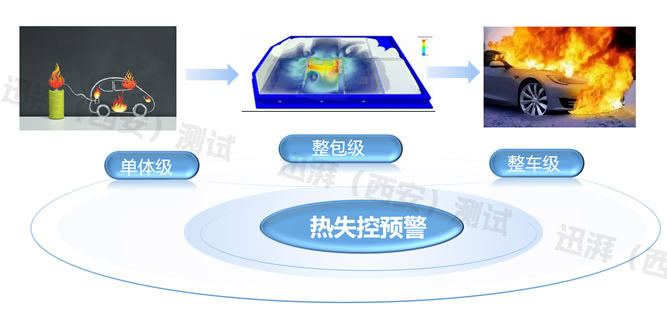
Through the continuous monitoring of parameters such as temperature, voltage, current, impedance, and pressure, real-time monitoring and control of the battery's status are implemented to prevent potential safety hazards and avoid accidents.
Test service
Temperature signal
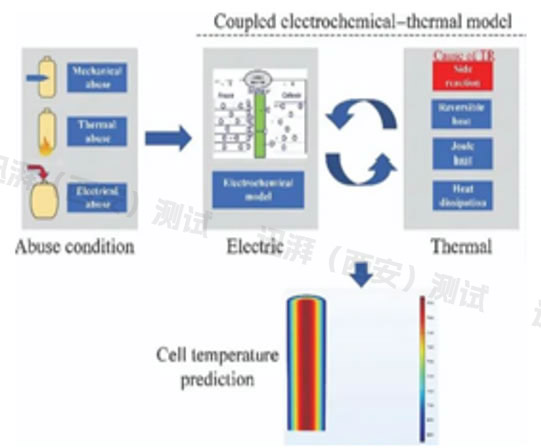
Electric current, voltage
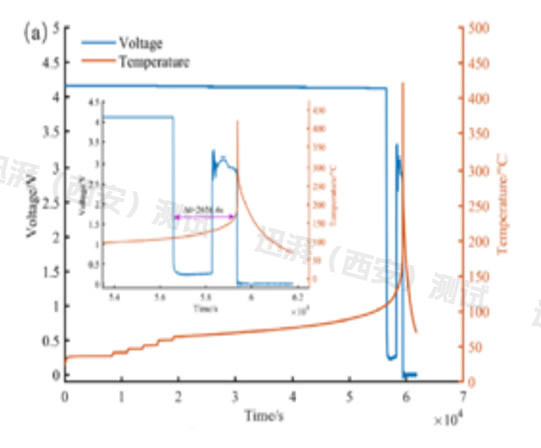
Impedance spectroscopy
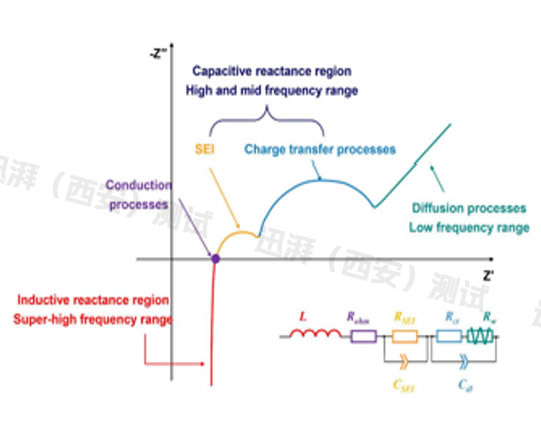
Gas signal
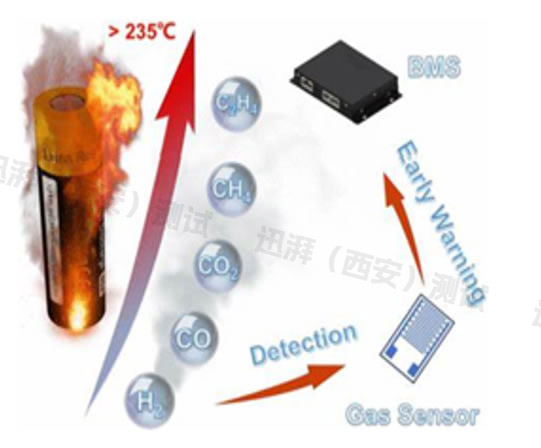
Pressure sensor
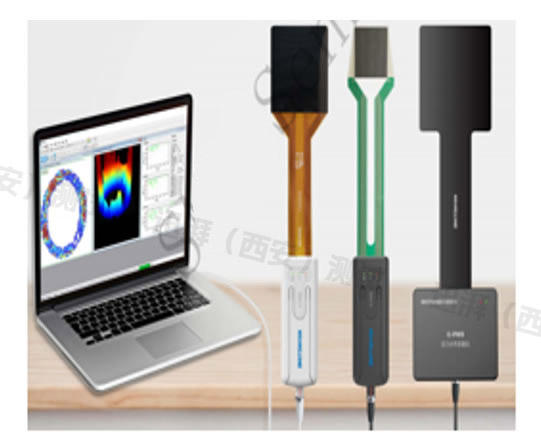

Safety early warning testing service
-
Internal short circuit
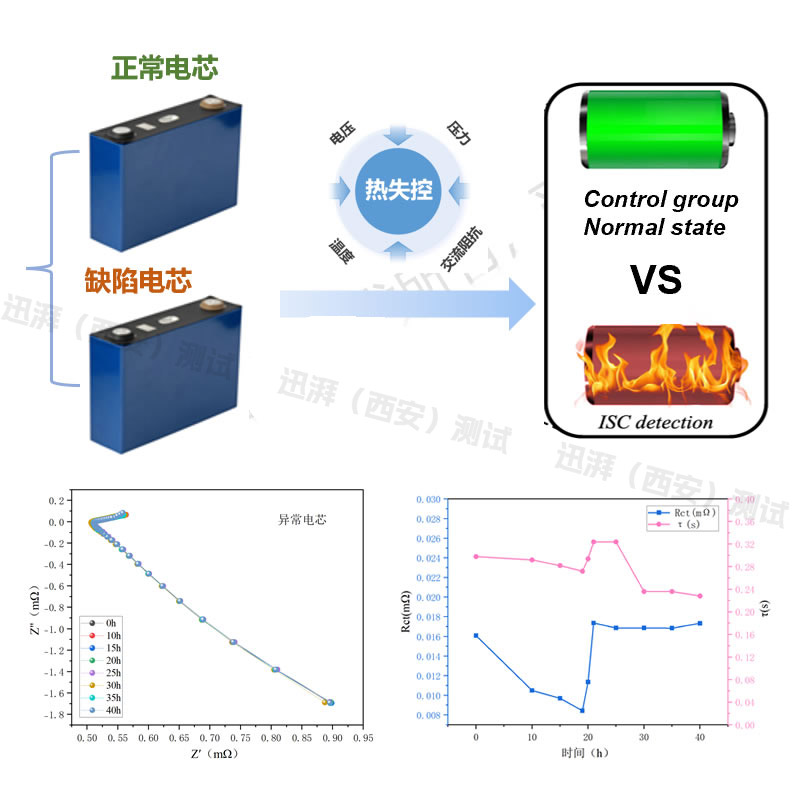
Early warning of thermal runaway can be given by using the changes in impedance parameters within a specific frequency range or at a specific frequency point
-
Lithium plating
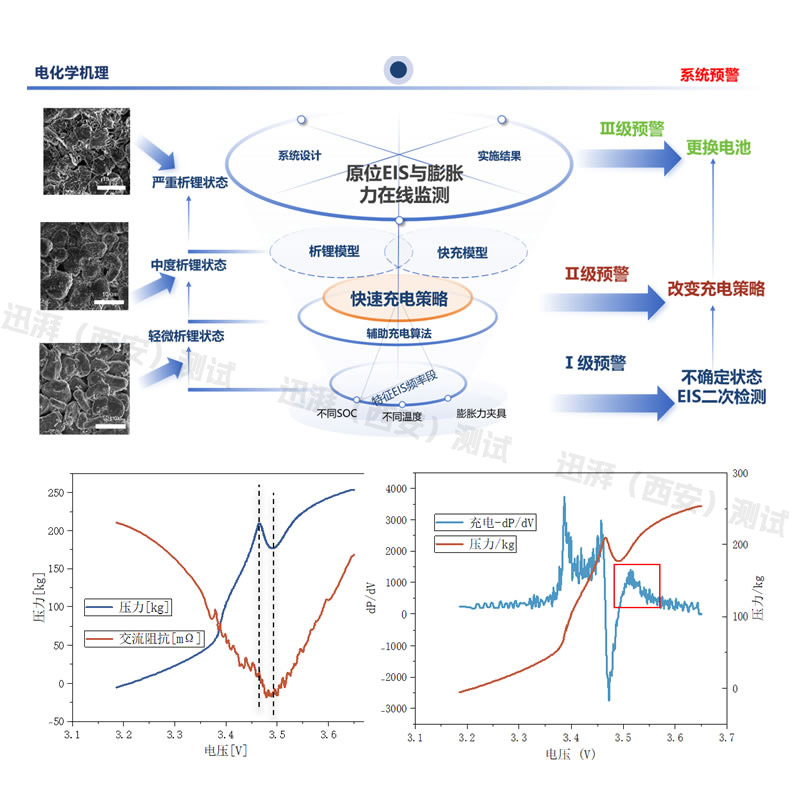
Combining expansion force, dynamic EIS and ICA, a multi-physical field monitoring platform integrating force, heat, electricity and resistance is established to conduct a full-cycle analysis of the fast charging mechanism
-
Overcharge
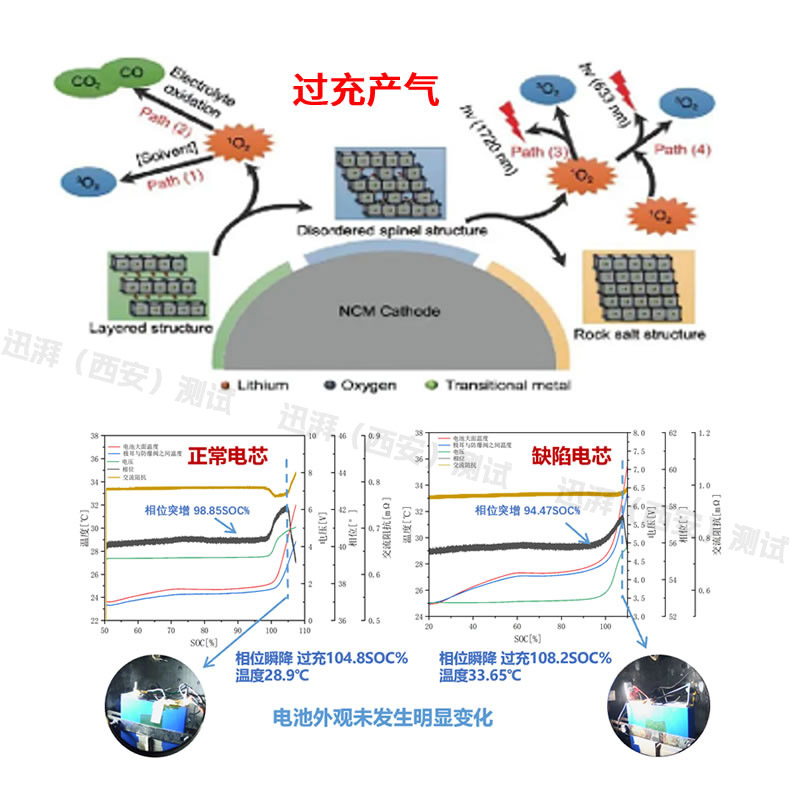
The sudden increase in phase is strongly correlated with the rise in battery internal temperature and the decrease in impedance, while the transient drop in phase is strongly correlated with overcharging gas production and the increase in impedance